
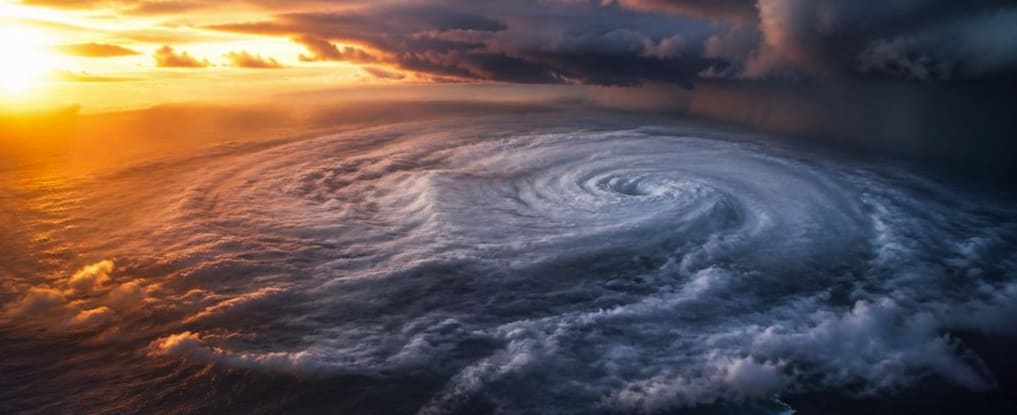

So the “hardly ever happens” thing… happened.
The Big island was hit by hurricane Lala.
Many here are still in crisis, especially down south in the Ka’u district.
Help is still needed and recovery will take a very long time.
Big Islanders have always had a strong sense of community and self sustainment and this storm has reminded everyone of how important that truly is.
While stocking food, water and medical supplies is important, planning how to communicate is just as critical.
Make a communication plan
Choose one family member or friend outside the affected area to act as a central contact. Everyone needs to check in with that person to share updates.
Select a few backup contacts in case the main contact is not available. Decide on a safe meeting place outside the impact zone in case your home becomes unsafe or damaged.
Use multiple tools
Do not rely on only one device. Cell phones may lose service when towers fail. A satellite phone can be a strong backup in remote places.
Two-way radios like FRS or GMRS work well for short-range updates if cell service is down. Test them before the storm.
Ham radios (amateur radios) are valuable for long-range communication, especially when other systems fail. Many operators also assist with emergency response networks.
Below are some of the best options for communication during emergencies like hurricanes.
Mobile Communication Systems
- FirstNet: This is a dedicated cellular network for first responders, designed to improve communication during emergencies. It is essential for coordinating response efforts.
Cell Phones for texting
Text messages use less bandwidth than calls and often go through when service is weak. Email works if internet access is available.
Walkie Talkies
Walkie talkies can indeed work on the Big Island of Hawaii, but their effectiveness varies based on several factors including:
- Model Type: Different models have varying ranges. Higher-end models generally provide better communication.
- Terrain: The Big Island's mountainous landscape can obstruct signals, reducing range significantly.
- Obstacles: Trees, hills, and buildings can interfere with radio waves, impacting communication quality.
Recommended Models
For optimal performance, consider using walkie talkies with a higher advertised range. Here are two popular options:
|
Model |
Range |
License Required |
|
Motorola MR350R |
Up to 2 miles |
No |
|
Garmin Rhino 530HCx |
Up to 14 miles |
Yes (GMRS license) |
Starlink Satellite Internet
Advantages
High Speeds
- Offers download speeds between 100-400 Mbps.
- Generally outperforms traditional broadband options, especially in remote areas.
Low Latency
- Latency is low enough (25-60 ms) to support smooth online gaming and high-quality video calls.
Wide Availability
- Remote Access: Ideal for users in areas without reliable traditional internet infrastructure.
No Data Caps
- Unlimited Plans: Many plans do not impose data limits, allowing for extensive usage without additional charges.
Easy Setup
- Self-Installation: The equipment is designed for easy self-installation, making it user-friendly.
Disadvantages of Starlink Satellite Internet
Occasional Service Outages
- Users may experience occasional interruptions in service, particularly during adverse weather conditions.
Higher Costs
- Pricing: Monthly fees can be higher compared to some local internet options, which may deter budget-conscious users.
Weather Sensitivity
- Performance Issues: Extreme weather conditions, such as heavy rain or storms, can affect service quality.
Limited Availability in Certain Areas
- Geographic Restrictions: While generally available, there may be specific locations on the Big Island where service is not yet offered.
Those who have Starlink have been able to communicate critical information during this crisis. It can be a strong option for people and
Communities needing reliable internet, especially in remote areas.
Effective Communication During a Hurricane
Stay Informed
- Local News: Regularly check local news outlets for updates on the hurricane's path and intensity.
- Weather Alerts: Sign up for weather alerts from the National Hurricane Center and local authorities to receive real-time information.
Family Emergency Plan
- Contact Methods: Establish a plan for how family members will communicate if separated. This may include:
- Designating a meeting place
- Using text messages or social media, which may work better than phone calls during emergencies
- Emergency Contacts: Keep a list of important phone numbers, including local emergency services and family members.
Additional Tips
- Battery-Powered Devices: Ensure you have battery-powered radios or devices to receive updates if power goes out. It’s also a good idea to have a strong portable charger to charge cell phones, especially ones that can be recharged with solar power.
- Emergency Supplies: Prepare an emergency kit that includes communication devices, such as portable chargers and backup batteries.
By following these guidelines, you can enhance your communication strategy and stay informed during a hurricane on the Big Island of Hawaii.
If you want to help those affected by hurricane Lala it would be greatly appreciated. There are several grassroots organizations that aid directly.
You can reach out to me as well. Blessings to all and hope for a strong recovery.