
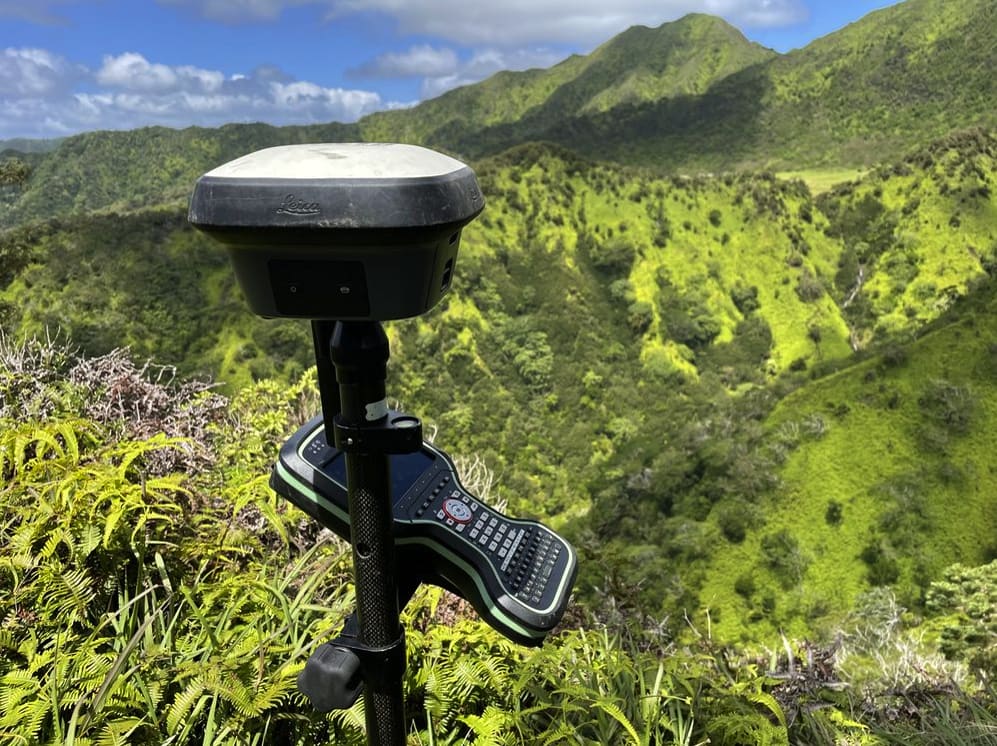

Few things are more exciting than buying your dream property on the Big Island of Hawaii. But before you even get to that milestone, there a number of steps that must be done first. One of the most critical is having an accurate survey of the property you intend to purchase. To conduct a survey of your Big Island property, you should hire a licensed surveyor who will measure and map your property boundaries, ensuring accurate legal descriptions and resolving any potential disputes. It's important to obtain a comprehensive land survey rather than just staking, as this provides detailed information about your property lines and any encroachments.
What is a land survey?
A land survey is a process that measures, maps, and outlines the boundaries and physical features of a piece of land. It provides a detailed drawing that shows property lines, elevation, and any structures, helping to clarify legal ownership and prevent disputes.
What are the steps to Conduct a Property Survey on the Big Island?
1. Hire a Licensed Surveyor
To ensure an accurate survey, it is essential to hire a licensed surveyor. They will:
- Measure and map your property boundaries.
- Provide legal descriptions of your property.
- Help resolve any potential disputes regarding property lines.
2. Understand the Types of Surveys
There are different types of surveys you may consider:
|
Survey Type |
Purpose |
|
Boundary Survey |
Confirms exact property boundaries and resolves disputes. |
|
Topographic Survey |
Provides details about land contours and features, useful for construction. |
|
ALTA/NSPS Survey |
Comprehensive survey that includes boundary lines, easements, and encroachments. |
3. Obtain Necessary Documentation
Before the survey, gather relevant documents, including:
- Previous surveys or property deeds.
- Any existing boundary markers or pins.
- Local zoning regulations that may affect your property.
4. Schedule the Survey
Contact your chosen surveyor to schedule the survey. Ensure they are aware of any specific concerns or requirements you have regarding the property.
5. Review the Survey Results
Once the survey is completed, review the results carefully. Ensure that:
- The boundaries are clearly marked.
- Any encroachments or easements are documented.
- The survey meets local regulations and requirements.
6. Use the Survey for Your Purchase
Utilize the survey results in your property purchase process. A comprehensive survey can help clarify property lines and prevent disputes, making your transaction smoother and more secure.
How long does it take to get a survey done on the Big Island?
The typical turnaround time for a land survey on the Big Island of Hawaii is usually three to seven days after the fieldwork is completed, which is typically scheduled within two weeks of placing the order. However, the exact time can vary based on the scope and type of the survey. Most jobs require about half a day to one day of fieldwork.
How much does it cost to get a survey done?
A standard land survey typically costs between $1,200 and $3,000, but can reach $5,000 or more depending on the property's size, terrain, and the type of survey required.
Cost by Type of Survey
- Corner Staking (C-41): $700 –$1,500. This marks the property corners and boundaries but does not include a full mapped report or verification of structures.
- Boundary Survey (C-42): $1,200 – $3,000. Provides a full map, boundary lines, and identifies any encroachments (like fences or driveways crossing the line).
- Topographic Survey: $2,000 – $6,500+. Required for building projects to map the elevation contours of the land.
- ALTA/NSPS Survey: $4,350 – $11,600+. A highly detailed, national standard survey typically required for commercial transactions
Who pays to get a survey done?
There is no strict law dictating who pays for a land survey. In most real estate transactions, the buyer typically pays for it, as the survey protects their investment. However, who foots the bill ultimately depends on contract negotiations and the specific situation.
What are some common issues with property surveys on the Big Island of Hawaii?
Neglecting to Conduct a Survey
- Boundary Disputes: Skipping a survey can lead to misunderstandings about property lines, resulting in disputes with neighbors.
- Legal Complications: Without a current survey, you may unknowingly build on someone else's land or violate zoning laws.
Relying on Outdated Surveys
- Inaccurate Information: Older surveys may not reflect changes in property boundaries or local regulations, leading to potential legal issues.
- Hidden Problems: Outdated surveys might miss current easements or encroachments, which can complicate property use and development.
Overlooking Easements and Encroachments
- Easements: These allow third parties to use parts of your property, which can affect your plans for development or construction.
- Encroachments: If a neighbor builds on your land, it can lead to disputes and costly legal battles.
Additional Considerations
- Environmental Factors: The unique geography of the Big Island, including volcanic terrain and coastal properties, can complicate surveys.
- Zoning Regulations: Hawaii has strict zoning laws that must be adhered to, making accurate surveys essential for compliance.
By being aware of these issues, property owners can take proactive steps to ensure their surveys are accurate and comprehensive, thereby protecting their investments and avoiding future complications.