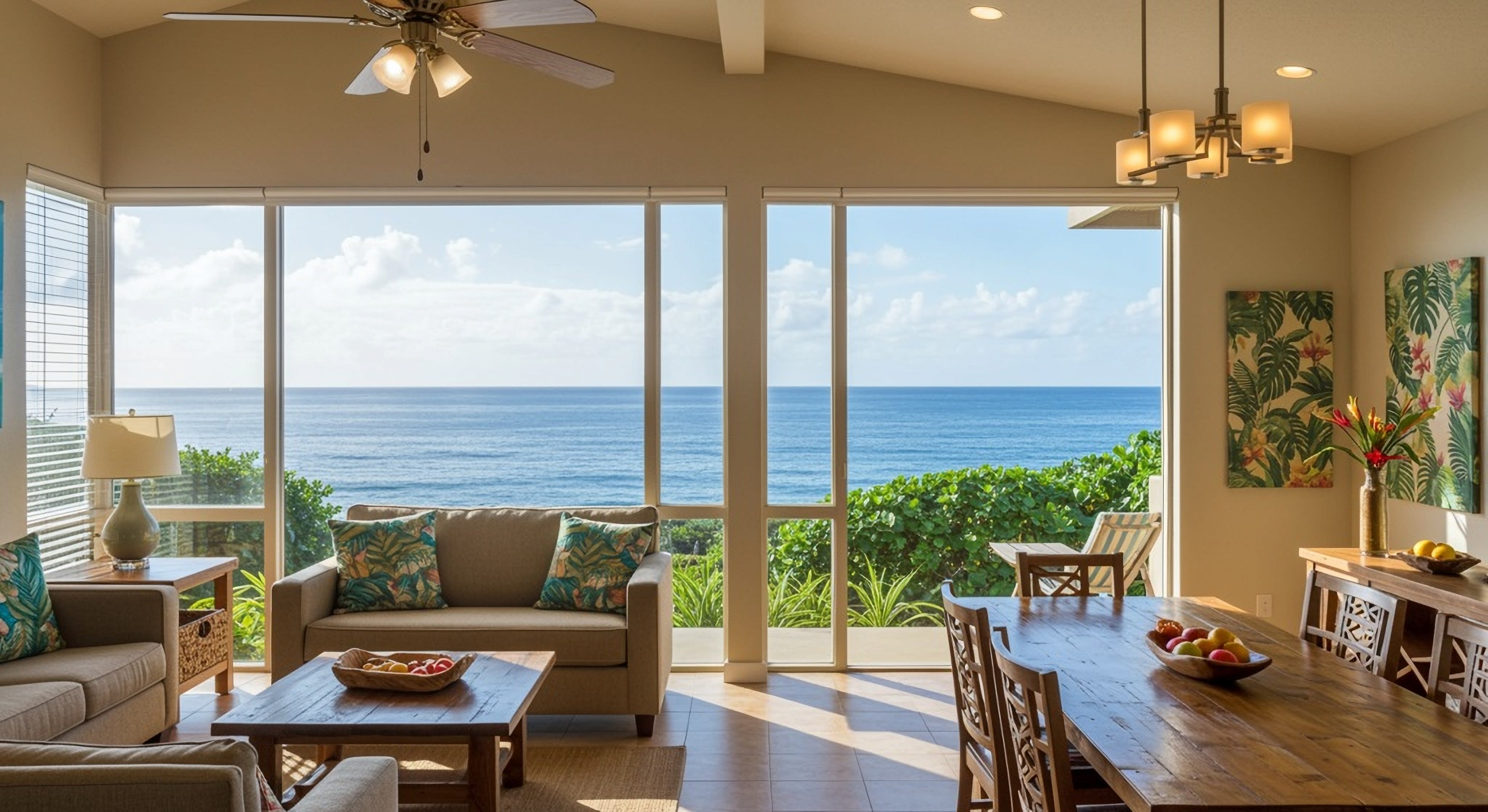


Selling in Pahoa: 6 Prep Moves That Help Buyers Say Yes Faster
Getting a home ready to sell in Pahoa isn't about chasing perfection—it's about helping buyers picture a smooth, comfortable next chapter. In a market where many shoppers are weighing island lifestyle, maintenance realities, and long-term value, the "yes" often happens when a property feels cared for and easy to step into. The good news: you don't need a massive renovation budget to create that feeling. A handful of smart, local-minded prep moves can shorten decision time and reduce the chances of a buyer negotiating hard over preventable issues.
Below are six practical steps that tend to pay off in Puna—especially for homes that sit in lush landscapes, see frequent rain, and benefit from a clear sense of order and upkeep.
1) Start with curb appeal that matches the island setting
First impressions form before a buyer ever touches the doorknob. In Pahoa, that means the driveway approach, entry path, and the overall "trimness" of the property matter more than fancy finishes. A quick weekend of clearing leaf litter, trimming back fast-growing plants, and defining the front entry can instantly shift a home from "work in progress" to "ready for living."
Focus on the high-impact basics: edge the path, sweep the lanai, refresh a tired welcome mat, and make sure the entry light works. If your yard feels overgrown, aim for "managed tropical" rather than bare and sterile—buyers move here for greenery, they just want to know it's under control.
If the home is on a larger lot, consider creating one clear "feature moment" near the front—like a clean gravel area with potted plants or a simple seating corner. Buyers remember a focal point, and it subtly signals that the property has intention and care.
2) Fix the little things buyers interpret as big problems
Small maintenance items can quietly sabotage a showing. A sticky door, a missing switch plate, a leaky faucet, or a loose handrail might cost little to fix—but they raise a buyer's anxiety about what else they can't see. On Hawai'i Island, where moisture and salt air can accelerate wear, buyers pay attention to signs of deferred maintenance.
Create a "walkthrough repair list" and take notes like a buyer would: open and close every window, test every fan, flip every switch, run every faucet, and check that screens and locks function properly. These are the moments that help a home feel solid, safe, and worth the price.
- Replace burnt-out bulbs (use consistent color temperature for a calmer look)
- Secure loose handles, hinges, and railings
- Patch small drywall dings and touch up scuffed paint
- Address minor plumbing drips and running toilets
3) Make moisture management and ventilation a selling feature
Humidity is part of the beauty of East Hawai'i—lush plants, green views, and that soft, warm air. But buyers also want reassurance that the home handles it well. Prep here isn't just cosmetic; it's confidence-building. Homes that smell fresh and feel airy tend to win in showings.
Start with a deep clean that targets hidden odor sources: soft furnishings, curtains, rugs, and any areas where air doesn't circulate well. If you have ceiling fans, clean the blades and confirm they run quietly. For rooms that feel heavy, consider adding brighter bulbs or opening the space visually with lighter window treatments.
Pro tip: if you use a dehumidifier, empty it before showings and keep the space feeling crisp. A buyer may not notice a dehumidifier specifically—but they will notice "this room feels good," and that's what matters.
4) Declutter for flow, not emptiness
Buyers don't need a blank box; they need space to imagine their routines. In Pahoa, many shoppers are thinking about indoor-outdoor living—where shoes go after a garden walk, where surf or hiking gear might land, how the kitchen supports daily meals, and how bedrooms feel at night with trade winds moving through.
Decluttering is most effective when it highlights circulation. Clear the pathways from living room to lanai, from kitchen to dining area, and into bedrooms. Remove oversized furniture that makes rooms feel tight, and tidy surfaces so your home photographs well. Even a small home can feel generous when the eye has room to rest.
For closets and storage, aim for "half full." Buyers open doors. A jam-packed closet reads as "not enough storage," even if the home has plenty. A little breathing room communicates practicality and ease.
5) Use simple staging cues to support the Puna lifestyle
Pahoa attracts buyers who value community, creativity, and that close-to-nature pace—often paired with real-world needs like workspace, reliable storage, and comfortable gathering areas. Your staging can quietly speak to that lifestyle without being themed or overdone.
Think in moments: a neat lanai chair with a small side table, a clean dining surface that suggests shared meals, a bedroom that feels cool and calm with fresh linens. If you have an outdoor shower, garden area, or a covered entry space, make it read as intentional and usable. Buyers love features, but they love them more when they can picture how they'll use them on day one.
Keep scents gentle. Strong air fresheners can backfire. A truly clean home, plus fresh air and subtle natural notes, tends to feel more trustworthy than anything heavily fragranced.
6) Prep your paperwork and be ready for buyer questions
One of the fastest ways to help a buyer commit is to remove uncertainty. That's especially true when shoppers are comparing multiple properties across Puna and trying to understand the true cost of ownership. When you can answer questions clearly—about improvements, systems, and ongoing care—you reduce hesitation and shorten the path to an offer.
Gather what you can: permits (if applicable), receipts for repairs, appliance ages, roof or paint history, water system details, and any warranty information. If your home has unique systems or routines (catchment setup, filtration schedule, pest control cadence, landscaping maintenance), writing a simple one-page "home guide" can be incredibly reassuring. It signals that the property has been managed thoughtfully, not casually.
Also consider timing: if you already know you'll be making changes (like swapping a fixture, repairing a gate, or servicing a fan), doing it before the first showing helps keep negotiations focused on the bigger picture rather than a list of small credits.
A smoother sale starts with the right local strategy
In Pahoa, the homes that sell fastest aren't always the newest—they're the ones that feel maintained, breathable, and easy to understand. By sharpening curb appeal, handling small repairs, managing moisture and airflow, decluttering for flow, staging for real life, and organizing key documents, you help buyers move from "maybe" to "this is the one."
If you'd like a prep plan tailored to your property and timeline, Lei Po'o Real Estate can help you prioritize what matters most for your neighborhood and price point. Shannon Takabayashi offers local Hawai'i Island representation with clear contact options (phone and email), so you can get straightforward guidance and a next-step checklist that fits your goals—without the overwhelm.