

Kailua-Kona vs Waimea: 9 Lifestyle Differences That Change Your Home Search
On Hawai'i Island, two towns can feel like two different worlds—sometimes on the very same day. One offers salt air, sunset skies, and an easy "slippers and shorts" rhythm. The other leans cooler, greener, and a touch more country, where evenings invite sweaters and the pace feels grounded in open space. If you're comparing Kailua-Kona and Waimea, the right choice often comes down to lifestyle details that don't show up on a listing sheet.
Below are nine differences that routinely shift what buyers prioritize—everything from weather and commutes to home styles, weekend routines, and how you'll actually use your yard. Think of this as a practical lens for narrowing your search before you fall in love with a house that doesn't match your day-to-day.
1) Climate: Warm coastal breezes vs cool upcountry air
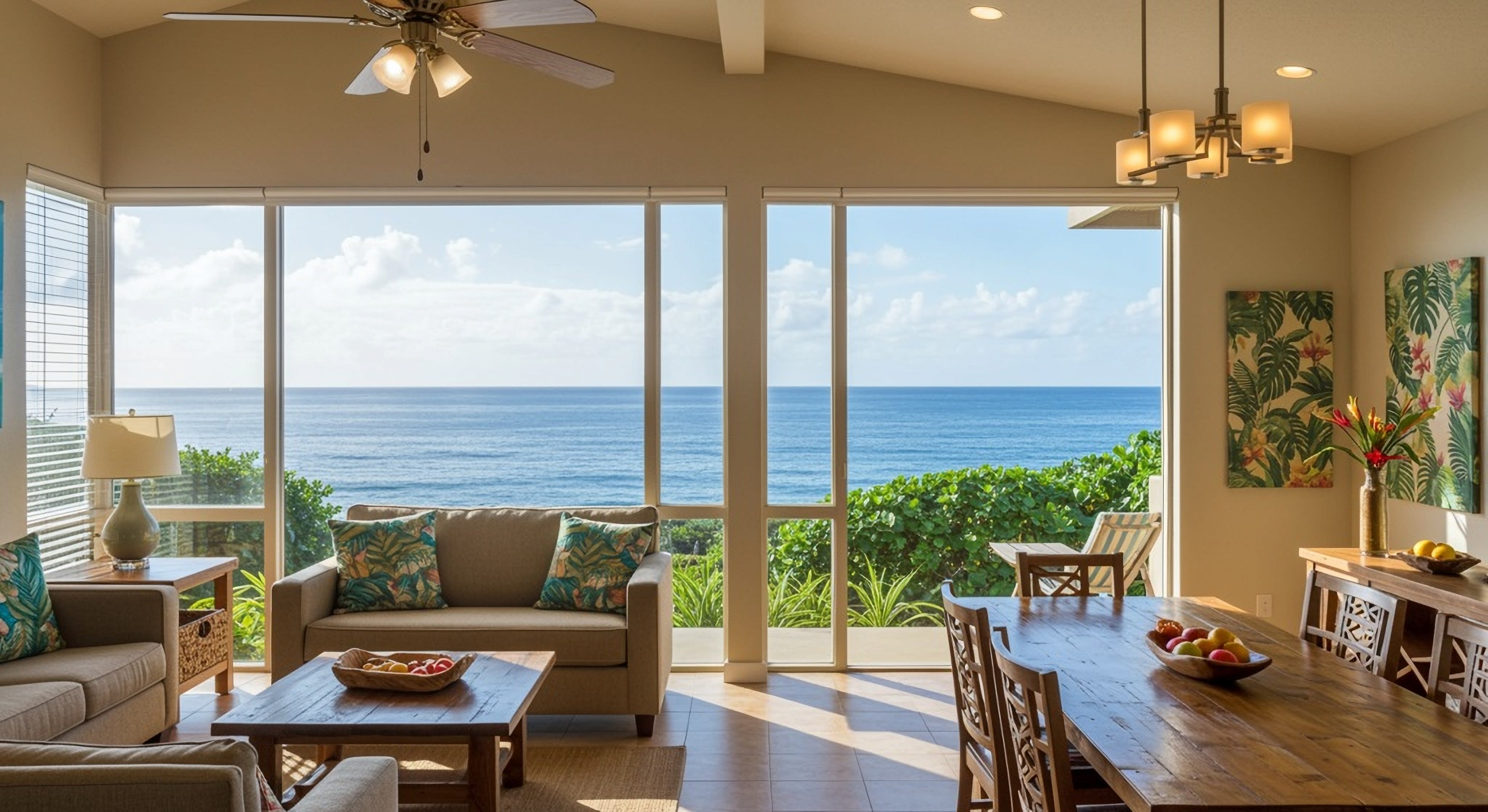
Kailua-Kona is famously sunny and warm, with trade winds that make outdoor living feel effortless. Many homes are designed to catch breezes—lanai life is real here, and it's common to plan your day around ocean conditions and evening sunsets.
Waimea (often called Kamuela) sits at higher elevation, bringing cooler temperatures and more frequent mist or rain depending on neighborhood. That shifts how you live in a home: you may value insulation, hot water capacity, and indoor comfort more than constant airflow. If you love sleeping cool and spending afternoons in a verdant landscape, Waimea's climate can be a major plus.
2) Daily rhythm: Resort energy vs ranch-town calm
Kailua-Kona has a lively, visitor-friendly momentum. Even if you're not in the tourism world, you'll feel the benefits: more services clustered nearby, lots of ocean-focused activities, and a social scene that tends to run later in the day.
Waimea's rhythm is quieter and more local. It's a place where community events, school calendars, and outdoor time shape weekends. Many buyers describe it as "settled" in the best way—great if you want breathing room and a strong small-town feel.
3) Commute and convenience: Where you'll spend your time in the car
In Kona, proximity to the shoreline corridor often means easier access to beaches, oceanfront parks, and many everyday errands. Depending on where you work, you may prioritize being near key routes to avoid peak-time slowdowns.
Waimea sits at a crossroads between the island's coasts and the north. Some residents happily trade a longer drive to certain amenities for cooler weather and larger parcels. A smart home search here starts with your "non-negotiable" drives: work, schools, medical care, and your most frequent grocery run.
4) Home styles and architecture: Indoor-outdoor living vs cozy, weather-ready builds
Kona homes often emphasize airflow, shade, and seamless transitions between inside and outside. Covered lanais, sliding doors, and low-maintenance tropical landscaping are common preferences—especially if you want to spend evenings outdoors year-round.
In Waimea, buyers sometimes gravitate to designs that feel more sheltered: warmer interiors, enclosed living spaces, and features that make rainy days comfortable. You may also see more lots that invite gardens, small orchards, or hobby farming—so storage, fencing, and outbuilding potential can matter more than an ocean view.
Either way, it helps to match the property to your real routine. If you'll rarely sit outside, a massive lanai may not add value for you. If you love hosting, Kona's outdoor entertaining can feel like an extension of your living room.
5) Landscaping and maintenance: Lava rock practicality vs green growth
Kona's coastal environment can mean salt air, strong sun, and periods of dryness. Landscaping choices often reflect that—rock features, drought-tolerant plantings, and irrigation strategies that keep things manageable without constant upkeep.
Waimea's greener conditions can be a dream for gardeners, but growth is growth: lawns, hedges, and plantings may require more regular maintenance. Buyers who enjoy working in the yard love the payoff; buyers who travel frequently may prefer a simpler landscape plan or a property with easier-to-manage grounds.
6) Schools and family routines: What "close" actually means
Both areas have options families consider, but the feel differs. Kona's school-day logistics can be shaped by coastal traffic patterns and how far up or down the corridor your home sits. Being "just a few miles away" can still translate to meaningful time depending on the route.
Waimea is known for a strong community focus, and many families like the upcountry environment for sports fields, open space, and a cooler climate for outdoor practices. If you're moving with kids, map out the full routine—drop-off, pick-up, after-school activities—before you decide which town's flow fits your household.
7) Dining and weekends out: Oceanfront sunsets vs low-key gathering spots
Kona tends to win on variety and ease: you can make a spontaneous plan after a beach day, meet friends for an evening out, or keep it casual without driving far. The social energy is higher, and many residents enjoy having options close by.
Waimea is more about intentional outings—community gatherings, local favorites, and a calmer evening pace. Many residents still enjoy dining out, but the bigger draw is the lifestyle around it: cooler air, quieter nights, and weekends that revolve around hiking, riding, or simply being home.
8) Recreation: Water-first adventures vs trail-and-field days
If your ideal weekend includes snorkeling, paddling, boating, or chasing the sunset after a swim, Kona makes that feel natural. You'll also find plenty of running routes and outdoor training, but the ocean is usually the headline.
Waimea leans into upcountry recreation—think hikes, open-field sports, and activities that feel comfortable in cooler temperatures. If you picture mornings with a brisk walk, afternoons in a garden, and evenings by a warm meal at home, Waimea may align more easily with your idea of "resetting."
9) Real estate trade-offs: Views, land, and long-term livability
In Kona, buyers often weigh ocean proximity, views, and convenience against heat, sun exposure, and the realities of coastal maintenance. Condos and low-maintenance properties can be appealing for part-time residents or anyone who wants a "lock-and-leave" setup, while single-family homes may prioritize breezes and shaded outdoor space.
In Waimea, the conversation frequently centers on land, privacy, and climate comfort. Larger parcels can open doors to gardens, animals, or simply space to breathe—but they also come with responsibility. The best fit depends on what you want your home to do for you: be a basecamp for ocean days, or a sanctuary where you slow down.
Quick decision checklist
- If you want warm weather and ocean access most days: Kailua-Kona tends to match that lifestyle naturally.
- If you crave cooler nights, greenery, and a calmer pace: Waimea often feels like home fast.
- If you travel frequently: consider maintenance, climate wear, and whether you prefer condo-style ease or a single-family setup.
- If you're moving with family: map the full weekly routine—schools, sports, errands, and commute—before choosing a neighborhood.
Choosing the town is choosing the everyday
The most successful home searches on Hawai'i Island start with lifestyle clarity, not square footage. When you picture your mornings, your errands, your workouts, and your weekends, you'll usually see which place fits: Kona's ocean-centered ease or Waimea's cool, grounded upcountry comfort. If you want a local perspective on neighborhoods, property types, and what's realistic at different price points, Lei Po'o Real Estate offers clear ways to connect—reach out to Shannon Takabayashi by phone or email to talk through what matters most and narrow the search with confidence.